
 English
 Spanish
 Russian
 Arabic
 Italian


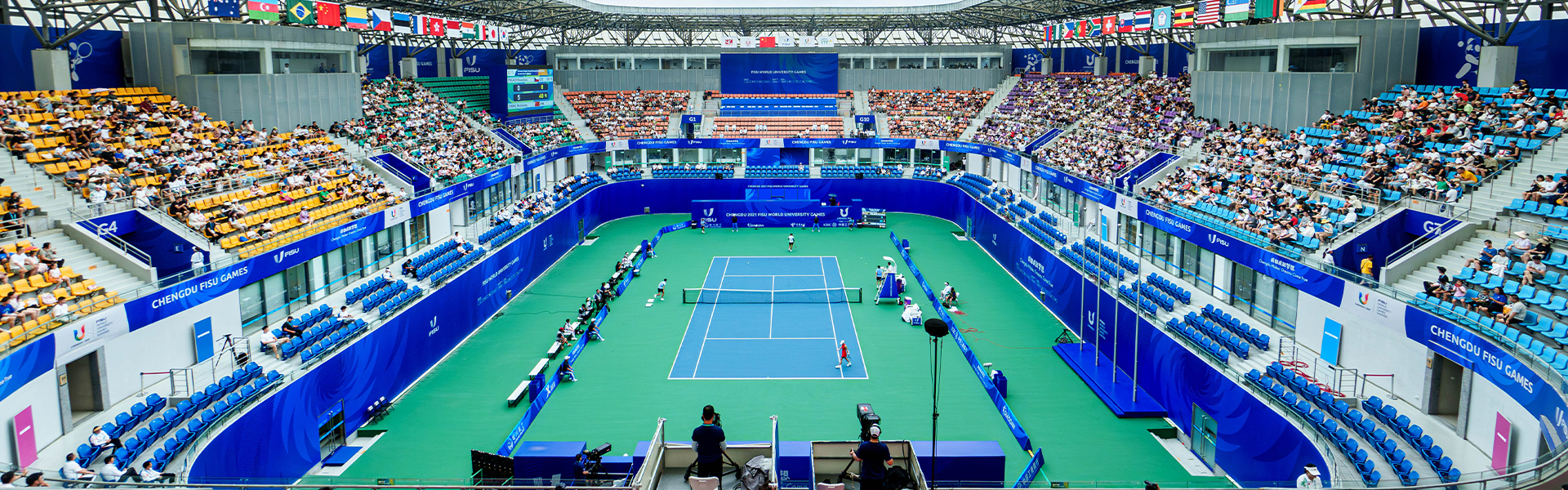
What Should Stadium Owners Look for in TV Broadcast Football Lighting?
When a football stadium is designed or upgraded for televised matches, lighting requirements go far beyond achieving a high lux level. A professional stadium lighting system must provide consistent illumination across the pitch, support camera performance from different viewing directions, control glare, and deliver reliable lighting throughout the match.
For stadium owners, project developers and contractors, selecting the right sports lighting supplier is therefore an important decision that affects both the venue's performance and its long-term operating costs.
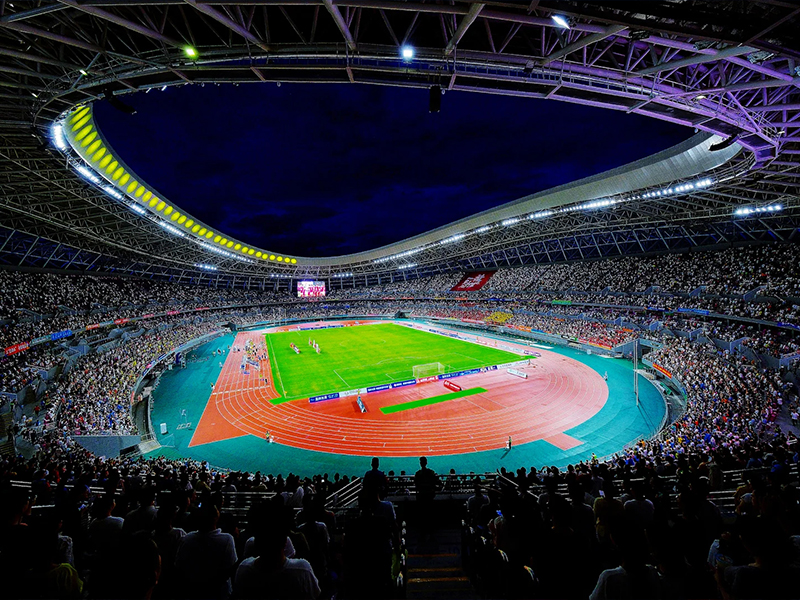
1. Don't Focus on Lux Alone
Horizontal illuminance is an important indicator of how much light reaches the playing surface. However, for television broadcasting, vertical illuminance is equally important because cameras need sufficient light on players' faces and bodies to capture clear images from different directions.
A broadcast-ready football lighting design should consider:
-
Horizontal illuminance across the playing field
-
Vertical illuminance from multiple camera directions
-
Lighting uniformity across the pitch
-
Glare control for players, officials and cameras
-
Colour rendering and colour consistency
-
Flicker performance for high-speed cameras
-
Reliable performance throughout the match
A lighting system with a high average lux value may still produce poor broadcast images if illumination is uneven or vertical lighting is insufficient.
2. Uniformity Is Critical for Broadcast Quality
Lighting uniformity helps prevent noticeable differences in brightness across the playing field. Excessive variation between bright and dark areas can affect the viewing experience and make broadcast images less consistent.
Professional lighting design should evaluate both the average illuminance and uniformity ratios, rather than relying on a single lux figure.
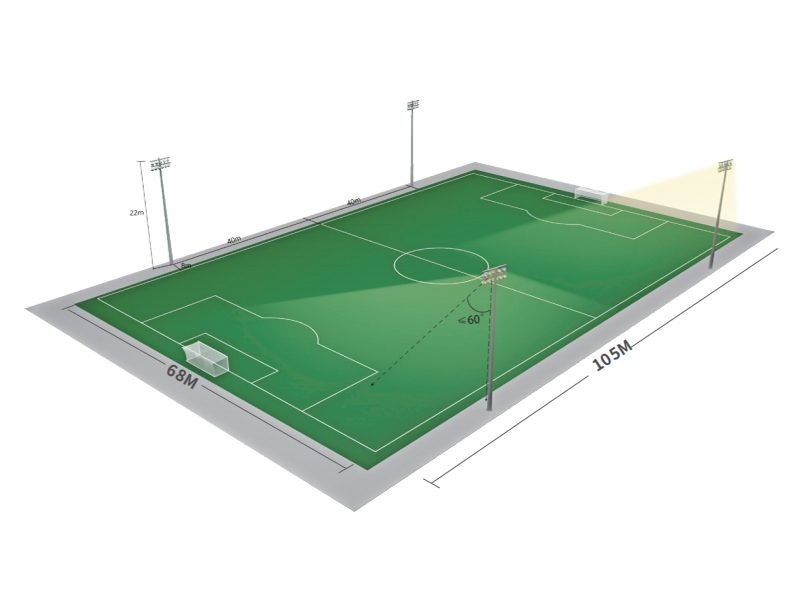
The lighting layout, mounting height, beam distribution and aiming angles all influence the final result. These factors should be considered together during the lighting simulation and design stage.
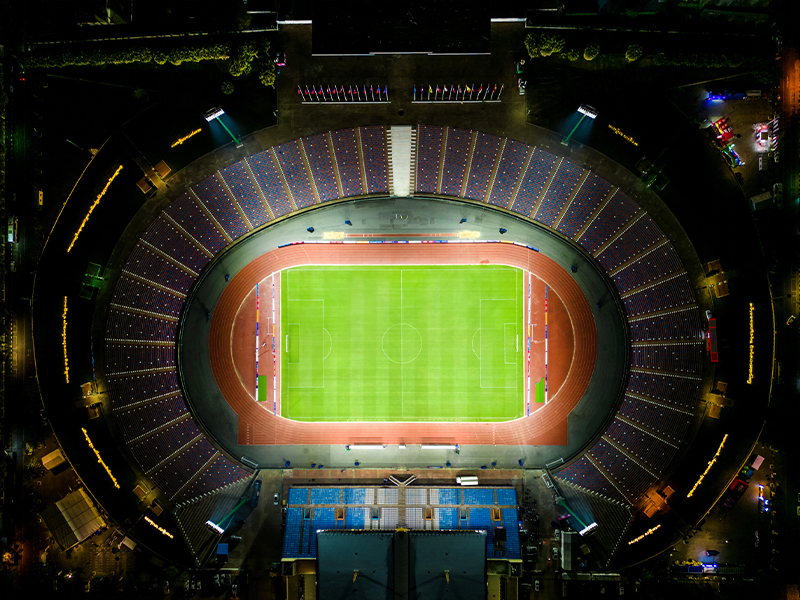
3. Glare Control Should Be Part of the Design
Glare can affect players when they look toward the ball, particularly during high balls, crosses and shots near the goal. It can also create visual discomfort for spectators and affect camera views.
A professional sports lighting solution should carefully consider luminaire positioning, aiming angles, optical design and installation height to reduce glare while maintaining the required illumination levels.
The goal is not simply to make the pitch brighter, but to provide comfortable and effective lighting for everyone using the venue.
4. Consider Flicker and Colour Performance
For televised football matches, lighting performance must also be suitable for broadcast cameras.
Flicker-related effects can become visible in slow-motion replays or high-speed footage if the lighting system and control technology are not properly designed for broadcast applications.
Colour rendering is another important consideration. Good colour performance helps cameras reproduce players, uniforms, the pitch and other visual details more naturally.
Stadium owners should discuss broadcast requirements with the lighting supplier before selecting luminaires and control systems.
5. Choose a Supplier with Real Stadium Project Experience
Technical specifications are important, but project experience also matters.
When evaluating sports lighting manufacturers, stadium owners should review the supplier's completed projects, including:
-
Professional football stadiums
-
National or international competition venues
-
Stadiums designed for television broadcasting
-
Projects with demanding illuminance and uniformity requirements
-
International projects involving different installation environments
Real project experience helps demonstrate whether a supplier understands the practical challenges of stadium lighting, from design and product selection to installation guidance and commissioning.
SCL Sports Lighting: Professional Football Stadium Lighting Projects
SCL Sports Lighting provides professional sports lighting solutions for stadiums and sports venues, with project experience across football, tennis, basketball and other sports.
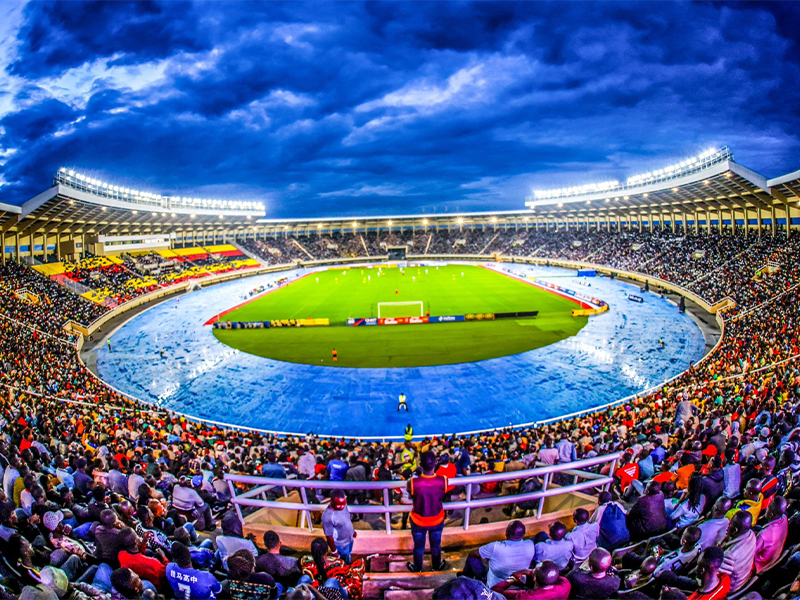
Its football stadium projects include venues designed for demanding competition and broadcast applications, such as Mandela National Stadium in Uganda, where the lighting project was designed to meet FIFA A-level requirements, and FC Ilbirs Arena, which includes a FIFA A-level main stadium lighting project.
These projects reflect the importance of combining appropriate lighting equipment, optical distribution, installation configuration and project-specific design requirements to achieve the required performance.
For stadium owners planning a new lighting installation or upgrading an existing system, SCL Sports Lighting can provide project-oriented sports lighting solutions based on venue requirements, competition level, broadcasting needs and site conditions.
6. Questions to Ask Before Choosing a Stadium Lighting Supplier
Before finalising a sports lighting supplier, stadium owners should ask:
-
Can the supplier provide lighting simulations for the required competition level?
-
Does the design include horizontal and vertical illuminance calculations?
-
How will uniformity and glare be controlled?
-
Is the lighting system suitable for television and high-speed camera applications?
-
Can the supplier provide references from completed stadium projects?
-
What support is available for installation, aiming, commissioning and testing?
-
How will energy consumption and long-term maintenance be considered?
A professional stadium lighting system should be designed around the venue's actual requirements, rather than selected solely by wattage or average lux.
Conclusion
TV broadcast football lighting requires a comprehensive approach that considers illuminance, uniformity, glare, colour performance, flicker and camera requirements.
For stadium owners, the best lighting supplier is not necessarily the one offering the highest output, but the one capable of developing a suitable lighting system, supporting the project with professional engineering and demonstrating relevant experience.
SCL Sports Lighting works with sports venues to develop lighting solutions for professional football stadiums, competition venues and broadcast-oriented projects.

 Service Hotline:
 Email:
 Add: