
 English
 Spanish
 Russian
 Arabic
 Italian


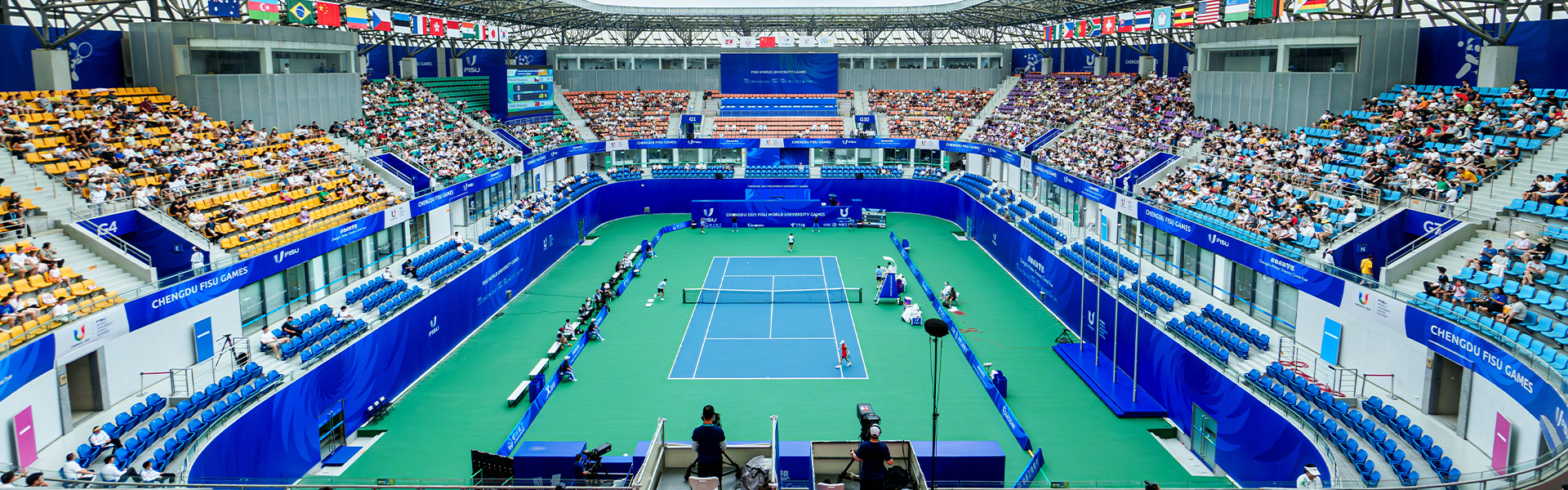
How SCL Sports Lighting Tests the Durability of LED Sports Lighting Fixtures
Impact Testing and Structural Reliability for Demanding Sports Environments
Sports lighting fixtures are often installed at considerable heights, making maintenance and replacement more difficult and costly. Once a fixture is installed on a high mast or stadium structure, it needs to withstand more than normal operating conditions.
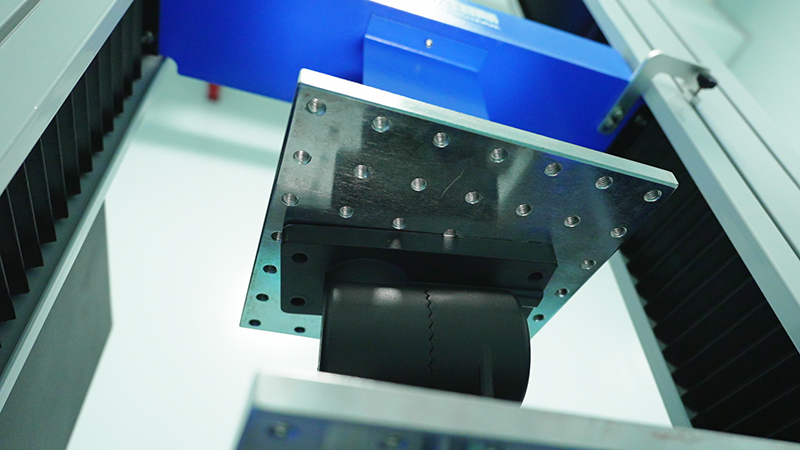
Strong winds, accidental impacts during maintenance, and rough transportation can all affect the structural integrity of a lighting fixture.
For this reason, impact resistance and structural durability are important factors when evaluating professional LED sports lighting.
At SCL, these factors are tested in the laboratory before lighting fixtures are delivered to sports facilities.
Why Is Impact Testing Important for Sports Lighting?
Sports lighting fixtures may be installed on lighting masts tens of meters above the ground. In some professional football stadiums, installation heights can exceed 40 meters.
The higher the fixture is installed, the more difficult maintenance becomes. Strong winds can place repeated loads on mounting structures, while tools or other objects may accidentally hit the fixture during inspection and maintenance.
Replacing a damaged fixture at height can also involve significant equipment, labor, and venue costs.
Laboratory testing therefore helps identify potential structural weaknesses before the product reaches the field.
SCL's testing process focuses on whether the fixture can maintain its structural integrity when exposed to external forces and mechanical impacts.
1. Stress Testing for Wind Loads and Vibration
The first stage is structural stress testing.
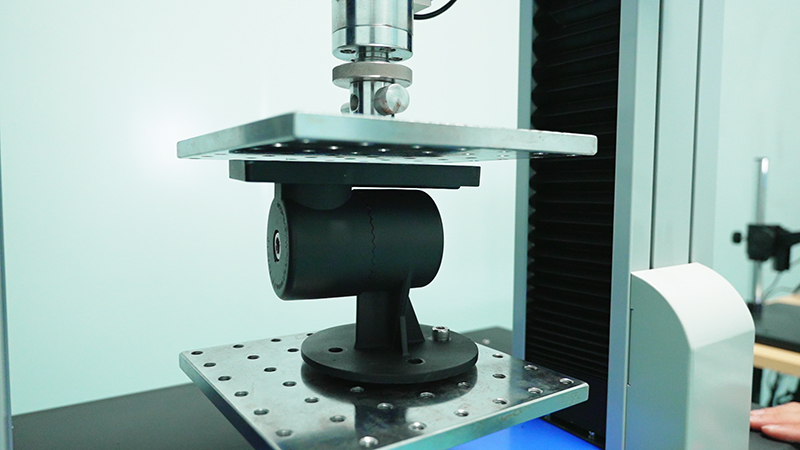
SCL uses dedicated testing equipment to simulate different forces acting on the fixture and its mounting components. Controlled loads are applied to brackets and structural parts to check for deformation, loosening, or connection problems.
One simulated condition is strong wind.
For example, the test can simulate conditions corresponding to a Level 10 typhoon, with wind speeds above 24.5 m/s. Repeated forces are applied to the fixture structure to evaluate how the brackets and connections respond to continuous loading.
This helps verify whether critical components can maintain their structural stability under demanding outdoor conditions.
2. IK Impact Testing for Mechanical Protection
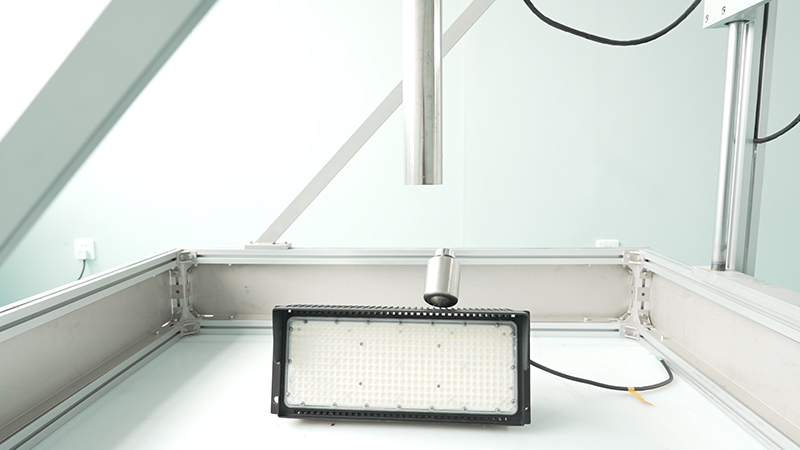
Stress testing evaluates structural durability over repeated loads, while IK impact testing focuses on the fixture's resistance to mechanical impact.
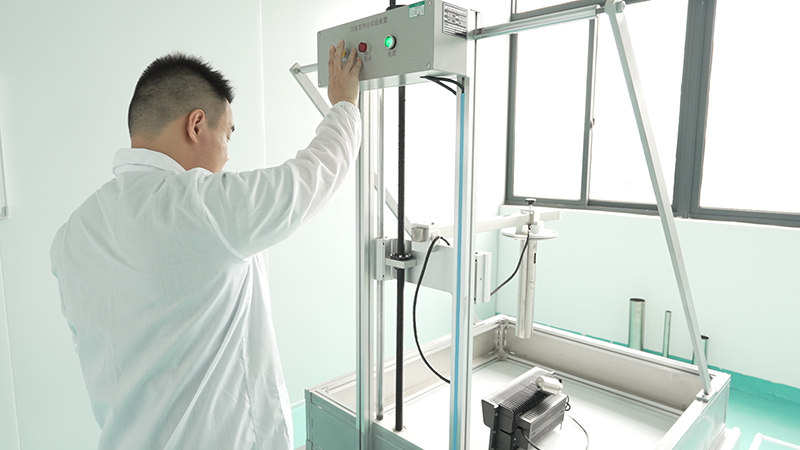
During the test, a specified impact weight is released from a controlled height onto the fixture surface.
For example, a 5 kg weight can be dropped from a height of 0.5 meters to simulate a strong mechanical impact.
After testing, the fixture is inspected for:
- Housing damage or cracking;
- Structural deformation;
- Loosened components;
- Movement of internal optical components.
These tests are designed to simulate potential risks that may occur during real-world installation, maintenance, transportation, or severe weather conditions.
For professional sports lighting, a robust housing is important because damage to the fixture can affect both safety and lighting performance.
3. Packaging Drop Testing
Product durability is not only about what happens after installation. A lighting fixture also needs to arrive safely at the project site.
During transportation, packages may experience impacts from loading and unloading, handling, sorting, and long-distance road transport.
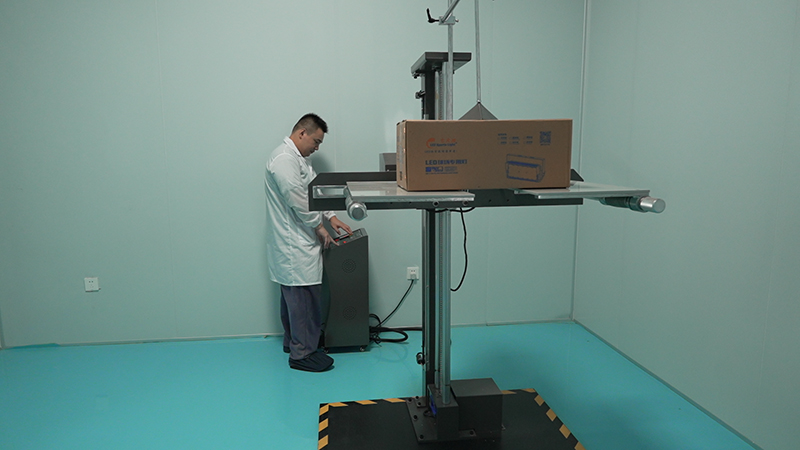
SCL therefore conducts packaging drop tests to evaluate the protection provided by the packaging structure.
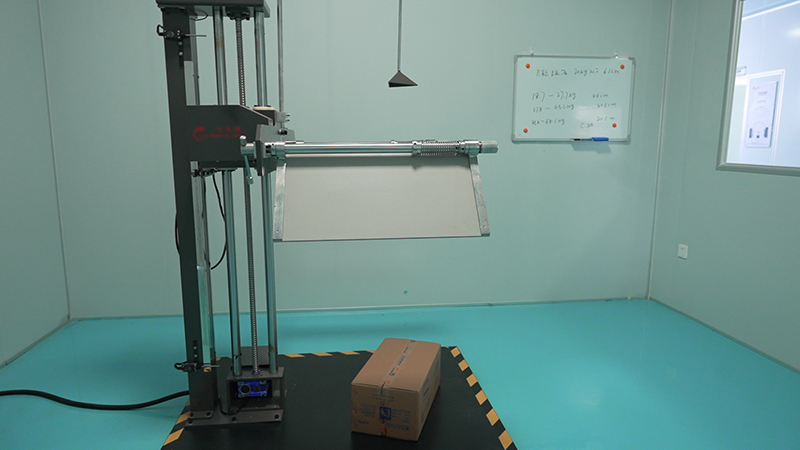
The packaged fixture is lifted to a specified height and released using a free-fall method. After the drop test, the package and fixture are inspected for visible damage, and the fixture is powered on to verify whether its functions remain normal.
This process helps evaluate whether the packaging design can provide adequate protection throughout transportation.
4. From Laboratory Testing to Real Sports Venues
A professional LED sports lighting fixture may experience different types of mechanical stress throughout its lifecycle.
SCL's testing process covers several scenarios:
Structural stress testing evaluates resistance to repeated external forces.
IK impact testing evaluates the mechanical impact resistance of the fixture housing.
Packaging drop testing evaluates protection during transportation.
Together, these tests provide a more complete assessment of the fixture's structural reliability.
The purpose is not simply to make a fixture pass a laboratory test. More importantly, testing helps ensure that the product is prepared for the conditions it may encounter during transportation, installation, maintenance, and long-term operation.
SCL Sports Lighting: Building Reliability into LED Sports Lighting
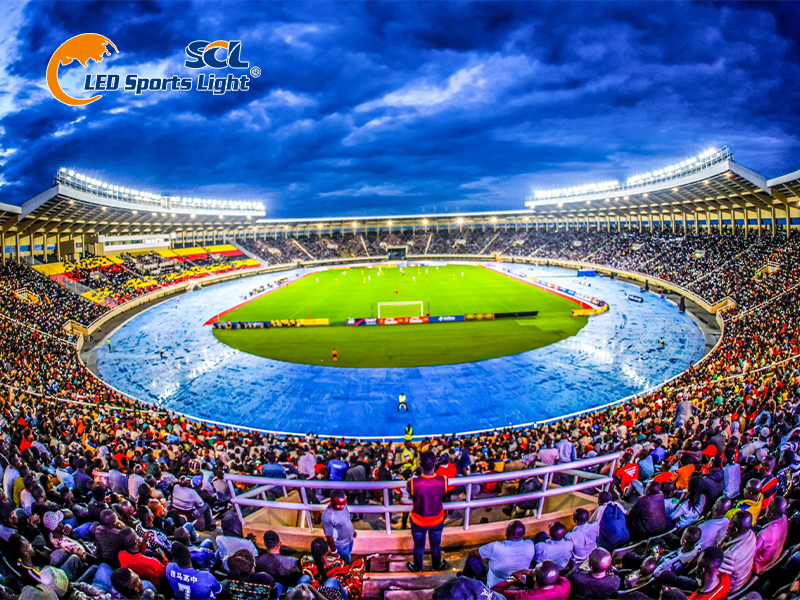
For professional sports facilities, lighting fixtures are expected to provide stable performance over many years, often in demanding outdoor environments.
SCL incorporates laboratory testing into its quality control process to verify the structural performance of its LED sports lighting fixtures before delivery.
By combining structural testing, impact testing, and transportation testing, SCL aims to provide lighting products that can withstand the practical challenges of real sports venues.
Reliable sports lighting starts with reliable engineering and testing.

 Service Hotline:
 Email:
 Add:
Add: