
 English
 Spanish
 Russian
 Arabic
 Italian


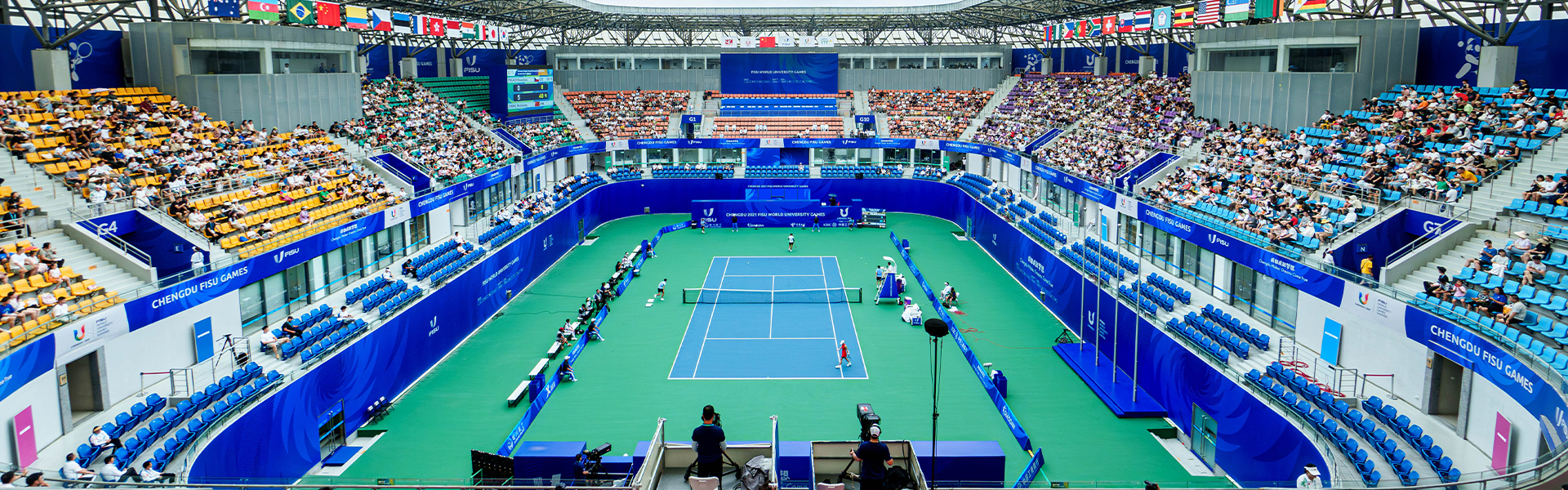
APEC 2026 in Shenzhen: How Smart Sports Lighting Supports Sustainable Sports Infrastructure
As Shenzhen prepares to welcome the Asia-Pacific Economic Cooperation (APEC) meetings in November 2026, the city is once again attracting international attention as a center for innovation, technology and business development.
The APEC CEO Summit will take place in Shenzhen on November 17–18, followed by the 33rd APEC Economic Leaders' Meeting on November 18–19. Discussions will cover regional connectivity, artificial intelligence, the digital economy and sustainable development, reflecting some of the major priorities shaping the Asia-Pacific region.
Beyond the discussions taking place at the summit, these themes also raise an important question for the sports infrastructure industry: how can modern sports venues become more energy-efficient, technologically advanced and better equipped for the demands of professional competition?
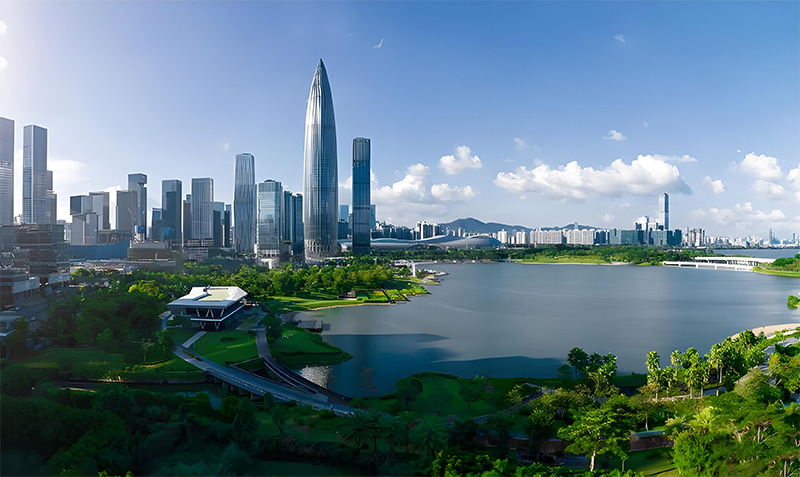
Smart Infrastructure Starts with Better Sports Venue Management
Modern sports venues are no longer designed solely around the requirements of competition. They must also consider operating efficiency, maintenance costs, energy consumption and the experience of athletes, spectators and broadcasters.
Lighting is an essential part of this process.
Traditional lighting systems may face challenges such as high energy consumption, uneven illumination, excessive glare and limited flexibility in controlling light output. For venues operating throughout the year, these issues can affect both the quality of sporting activities and long-term operating costs.
Professional LED sports lighting offers a more flexible approach. With appropriate optical design and intelligent control systems, venues can manage lighting according to different requirements, including professional competitions, training sessions, recreational activities and television broadcasting.
This is particularly relevant as sports facilities increasingly seek to balance performance requirements with more efficient resource management.
Why Lighting Quality Matters in Modern Sports Facilities
Energy efficiency is important, but professional sports lighting must deliver much more than lower electricity consumption.
A properly designed lighting system needs to address several key requirements:
1. Uniform Illumination
Consistent light distribution helps reduce dark areas and excessive brightness differences across the playing surface. Appropriate horizontal and vertical illuminance levels are essential for different competition requirements.
2. Glare Control
Poorly controlled glare can affect athletes' visual comfort and performance, particularly in fast-paced sports where players frequently look upward to follow the ball or shuttlecock. Professional optical design and careful luminaire positioning help minimize direct glare.
3. Broadcast-Ready Visual Performance
For venues hosting televised competitions, lighting quality influences how clearly cameras capture players, equipment and fast-moving action. Color rendering, flicker control and appropriate vertical illumination all need to be considered during system design.
4. Intelligent Lighting Control
Different activities require different lighting levels. Intelligent control systems can support flexible lighting scenarios, allowing venue operators to adjust output according to actual requirements rather than operating every fixture at full power.
Together, these considerations help create sports lighting systems that support competition quality while improving the efficiency of venue operations.
Shenzhen's Sports Infrastructure: From Technology to Practical Applications
Shenzhen's development as an innovation-oriented city provides a relevant context for discussing the modernization of sports facilities.
For sports venues, the adoption of advanced lighting technology is not simply about replacing traditional fixtures with LED products. It involves a systematic approach that considers venue structure, installation height, lighting requirements, optical distribution, control methods and long-term maintenance.
SCL Sports Lighting has experience in professional sports venue lighting projects in China and overseas.
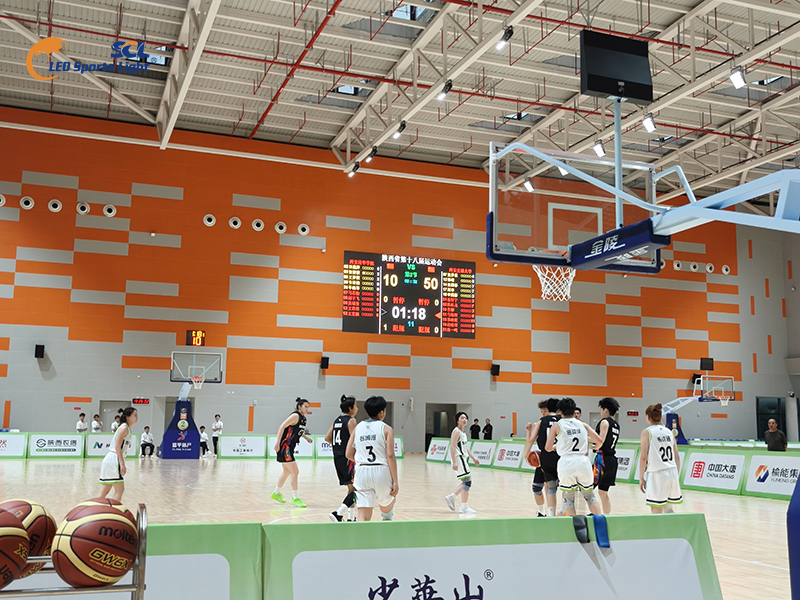
One example in Shenzhen is Futian Sports Park Gymnasium, where SCL Sports Lighting supplied QDZ-300B sports lighting fixtures for the CBA Summer League, supporting a venue used for televised basketball competition.
The project illustrates the importance of matching lighting equipment and system design to the visual requirements of professional indoor sports events.
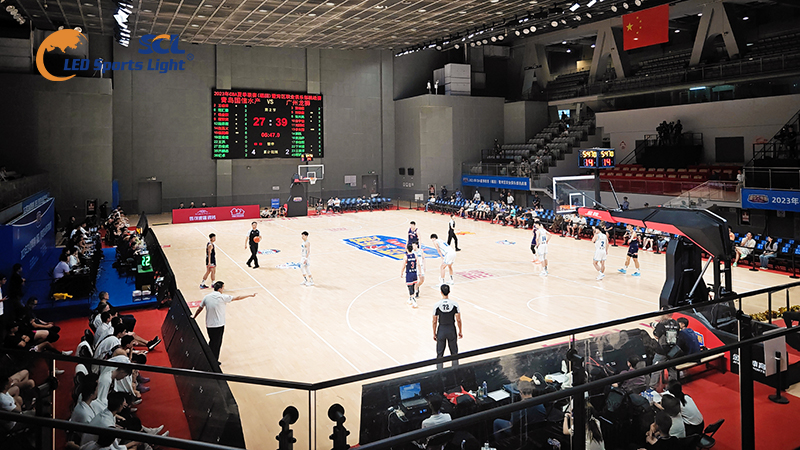
Across different types of venues, lighting solutions need to be tailored to the specific sport, competition level, building structure and operational requirements. A basketball arena, football stadium and tennis facility may all require different approaches to illuminance distribution, glare control and lighting configuration.
Looking Ahead: More Efficient and Adaptable Sports Venues
As cities across the Asia-Pacific region continue to invest in sports infrastructure, the role of professional lighting will become increasingly important.
Future-ready sports venues need systems that can accommodate different competition standards, support broadcasting requirements and adapt to changing operational needs.
High-efficiency LED technology, professional optical design and intelligent lighting controls provide practical tools for achieving these objectives. However, the effectiveness of a lighting solution ultimately depends on whether the entire system is properly designed around the venue and its intended use.
For venue owners, developers and project contractors, selecting an experienced sports lighting partner at the planning stage can help avoid common design and operational problems later.
As Shenzhen hosts APEC 2026 and international discussions continue to highlight innovation and sustainable development, the modernization of sports infrastructure offers another practical perspective on how technology can improve the way cities operate.
For SCL Sports Lighting, the focus remains on delivering professional, reliable and application-specific lighting solutions for sports venues worldwide.

 Service Hotline:
 Email:
 Add: