
 English
 Spanish
 Russian
 Arabic
 Italian


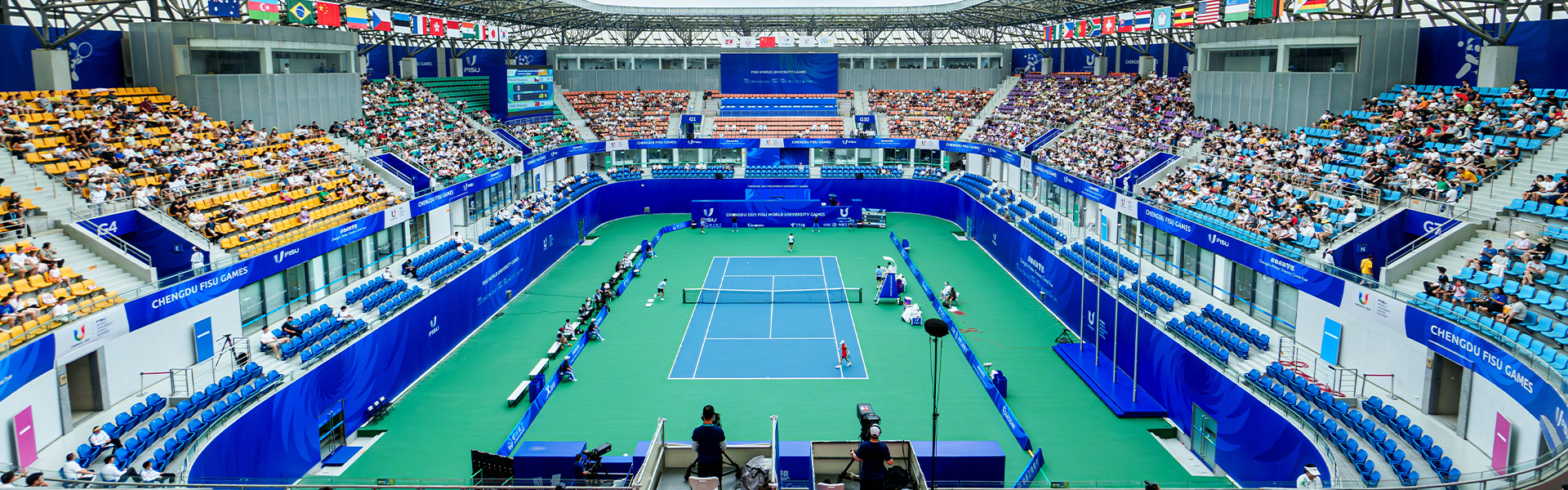
Inside an LED Sports Lighting Photometric Laboratory: How Every Beam of Light Is Tested
For professional sports venues, lighting quality is not simply about brightness.
A high-performance LED sports lighting system must meet strict requirements for visual comfort, broadcast quality, and athletes’ performance.
Key optical parameters, including color temperature, color rendering index (CRI), luminous efficiency, and color consistency, directly affect broadcast image quality, athletes’ visual perception, and spectator experience. Therefore, these parameters must be verified through professional photometric testing rather than visual inspection alone.
01 Why Are Optical Parameters Critical for Professional Sports Lighting?
In professional sports environments, even small deviations in optical performance can affect the overall lighting quality.
For example:
- Excessive color temperature deviation may create inaccurate colors in broadcast images;
- Low CRI performance can affect athletes’ ability to track fast-moving objects;
- Inconsistent luminous output and color performance between fixtures may create uneven lighting across the venue.
For large stadiums equipped with dozens or even hundreds of lighting fixtures, maintaining optical consistency is essential to achieving a professional lighting environment.
02 Professional Photometric Testing: Controlling Light Quality from the Source
For professional sports lighting products, optical performance is not something that can be judged only after production. It requires a complete quality control system throughout product development, testing, and mass production.
At SCL sports lighting, photometric testing has always been a critical part of quality management. Through advanced testing equipment, strict optical standards, and standardized testing procedures, every key lighting parameter is carefully verified before delivery.
Behind every measurement result is a professional testing process designed to ensure stable and reliable lighting performance.
Advanced Testing Equipment: Integrating Sphere and Spectroradiometer System
Accurate optical measurement requires professional laboratory equipment.
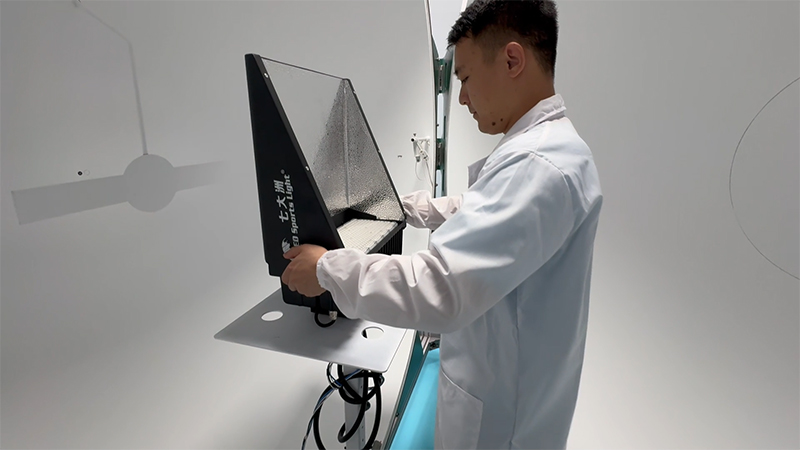
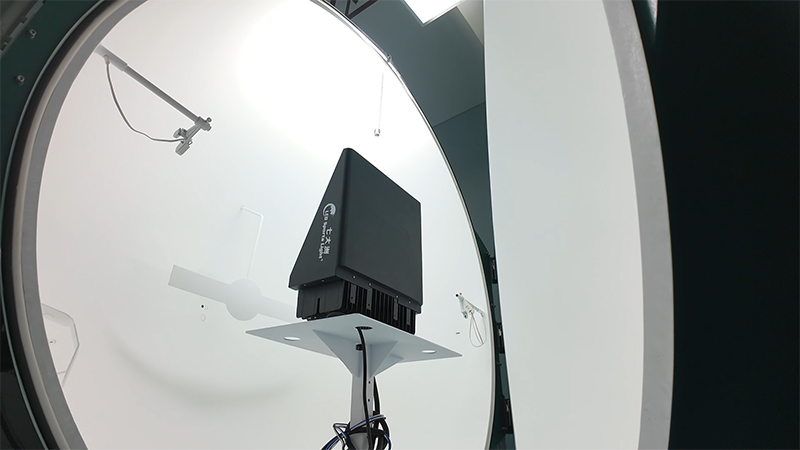
At SCL’s photometric laboratory, advanced spectroradiometer systems are used to evaluate the optical performance of LED sports lighting fixtures.
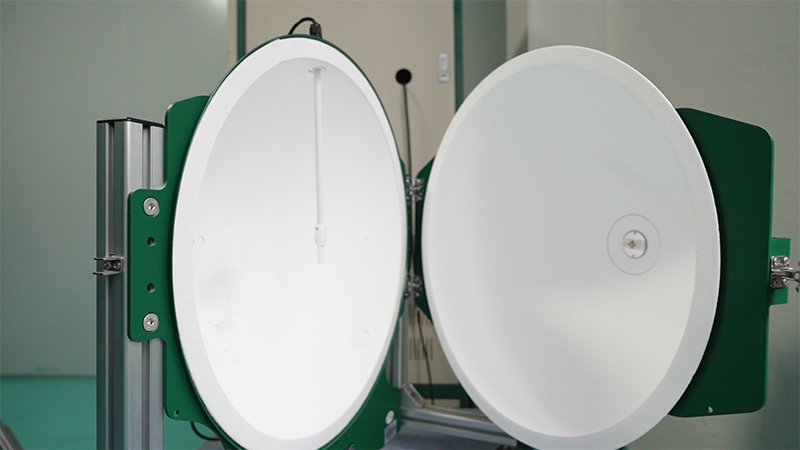
The core testing equipment is an integrating sphere system.
With highly reflective diffuse materials inside the sphere, the system creates an ideal optical environment for measurement. Regardless of the fixture’s light distribution direction, the emitted light is fully mixed before measurement, allowing the detector to capture accurate overall performance data while minimizing errors caused by uneven local brightness.
Measuring Key Optical Parameters with High Accuracy
During the testing process, each lighting fixture is installed inside the integrating sphere according to standardized positioning requirements.
After the fixture reaches a stable operating condition, the system automatically measures multiple critical optical parameters, including:
- Color temperature
- Color rendering index (CRI)
- Luminous efficiency
- Luminous flux
- Color tolerance
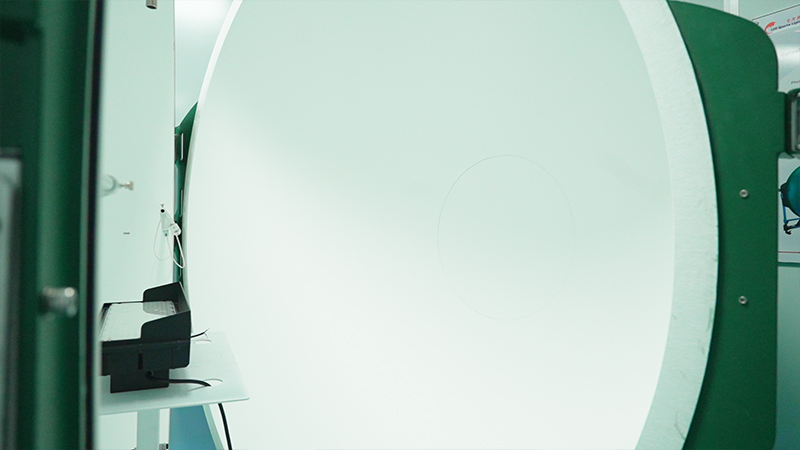
All measurements are performed in a controlled dark-room environment to eliminate interference from external light sources and ensure that the data accurately represents the fixture’s true optical performance.
Unlike general lighting applications, sports lighting requires a much higher level of consistency between fixtures.
A large stadium may contain dozens or even hundreds of lighting units. If significant differences exist in color temperature, luminous efficiency, or CRI between fixtures or production batches, visible variations in brightness and color may appear across the playing field.
Therefore, during mass production, SCL conducts batch inspections to continuously monitor optical performance and ensure consistent quality.
This consistency control helps prevent uneven lighting effects and maintains a uniform visual environment throughout the venue.
After photometric testing is completed, engineers compare the measured results with product specifications and required standards to verify every optical parameter.
For broadcast-level football stadium lighting applications, fixtures must achieve strict performance requirements, including:
- Stable color temperature;
- High color rendering performance (CRI);
- Excellent color consistency;
- Reliable optical performance between production batches.
In high-definition sports broadcasting environments, stable color performance helps cameras capture more realistic images while improving the viewing experience for athletes and spectators.
If any critical optical parameter fails to meet the required specifications, the production batch will be reviewed, analyzed, and optimized before approval.
Each set of test data must pass three verification procedures:
- Equipment calibration review;
- Test record verification;
- Engineer cross-check approval.
Only after completing all verification steps can the product be officially released.
For SCL sports lighting, photometric testing is more than a final inspection before delivery. It is a complete quality control process throughout product development and manufacturing.
During new product development, every optical design solution undergoes repeated verification through integrating sphere testing to ensure the expected lighting performance is achieved.
During mass production, continuous batch inspections are performed to maintain consistent optical quality across different production runs.
Through a complete photometric testing system, SCL ensures that every LED sports lighting product delivers:
- Stable color temperature performance;
- High color rendering capability (CRI ≥ Ra90);
- Strict color tolerance control;
- Lighting quality suitable for professional sports events and HD broadcasting.
Excellent sports lighting is not simply about producing brighter light. It is about creating a precise, reliable, and comfortable visual environment for athletes, officials, spectators, and broadcasting systems through accurate optical control.
Photometric testing ensures that LED sports lighting fixtures meet required optical performance standards, including color temperature, CRI, luminous efficiency, and color consistency. It helps guarantee reliable lighting quality for professional competitions and broadcasting.
What optical parameters should professional sports lighting meet?
Important optical parameters include color temperature, CRI, luminous efficiency, luminous flux, and color tolerance. These factors directly influence image quality, athlete visibility, and overall stadium lighting performance.
Why is lighting consistency important in stadium applications?
Large stadiums often use dozens or hundreds of lighting fixtures. Maintaining consistent optical performance prevents uneven brightness and color differences, ensuring a uniform lighting environment across the entire venue.

 Service Hotline:
 Email:
 Add:
Add: