
 English
 Spanish
 Russian
 Arabic
 Italian


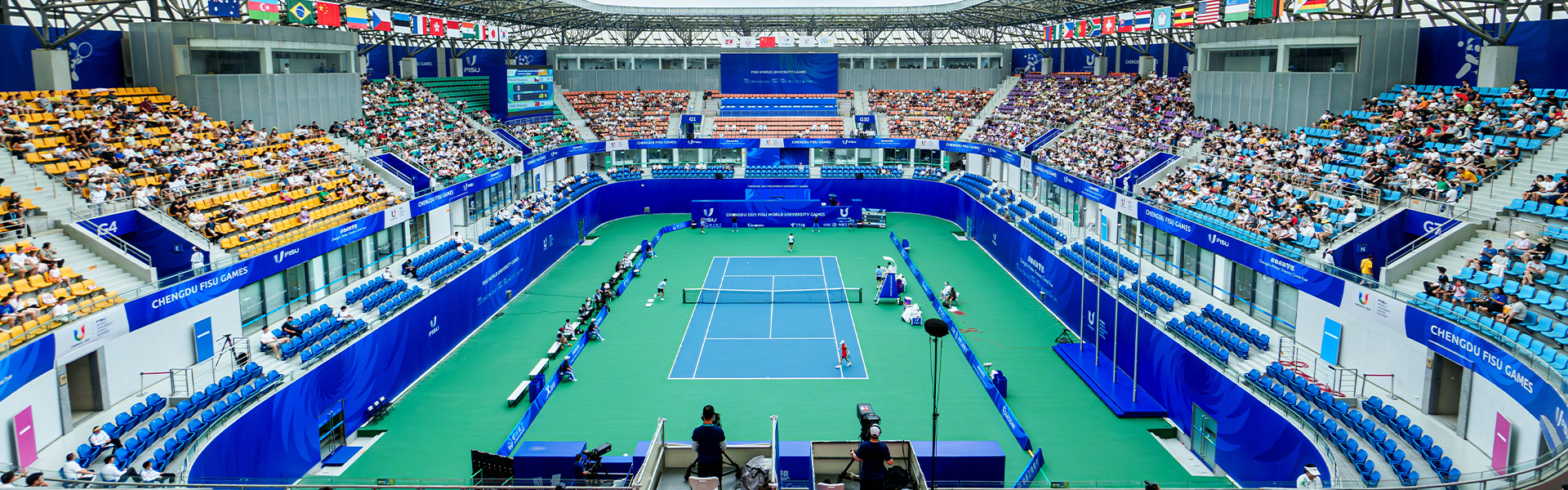
Complete Guide to Thermal Testing for LED Sports Lighting: Why Heat Dissipation Determines Performance
When evaluating professional LED sports lighting, most attention is given to brightness, glare control, color rendering, and energy efficiency. However, thermal management is one of the most critical factors affecting long-term reliability.
LEDs do not fail because they are used too often—they fail because they operate at excessive temperatures.
As junction temperature increases, lumen depreciation accelerates, driver lifespan decreases, and overall fixture reliability declines.
Effective heat dissipation is therefore essential for maintaining consistent lighting performance and extending the service life of professional stadium lighting systems.
Why Is Heat Dissipation Critical for LED Sports Lighting?
Sports lighting fixtures are commonly installed more than 15 meters above the ground, making maintenance both expensive and disruptive.
Without effective thermal management, even a high-performance fixture can experience rapid degradation after only a short period of operation.
Poor heat dissipation may result in:
- Higher LED junction temperatures
- Faster lumen depreciation
- Reduced driver lifespan
- Thermal fatigue of solder joints
- Accelerated aging of sealing materials
- Lower overall system reliability
For broadcast-quality sports venues, declining light output may eventually prevent the venue from meeting required lighting standards.
Efficient thermal management reduces maintenance costs while ensuring stable illumination throughout the fixture's lifetime.
Outstanding thermal performance is achieved through the combination of advanced materials, intelligent structural design, and innovative engineering.
At SCL Sports Lighting, the cooling system is built on three key elements:
High-Thermal-Conductivity Materials
6063-T5 aerospace-grade aluminum provides excellent heat transfer while maintaining high strength and low weight.
Integrated Heat Sink Design
An extruded one-piece heat sink eliminates unnecessary thermal resistance and improves heat transfer efficiency.
The optimized fin structure increases cooling surface area while promoting natural airflow.
Proprietary Thermal Technology
A patented low thermal resistance composite material combines aluminum with highly conductive materials to improve heat transfer while maintaining electrical insulation.
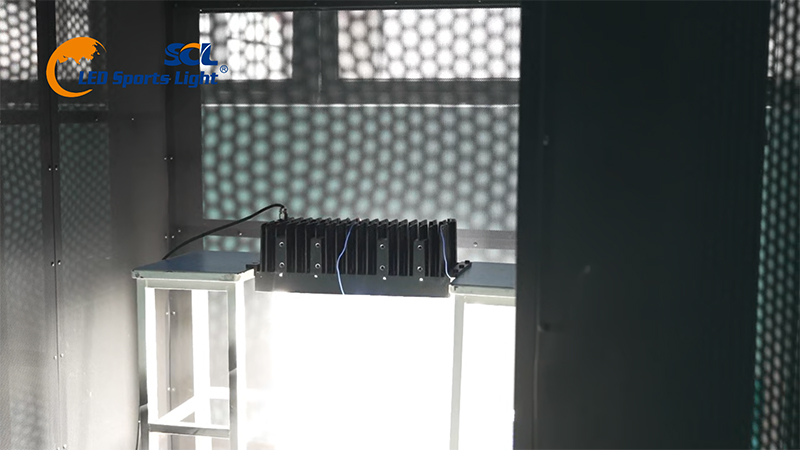
Inside the Thermal Testing Laboratory
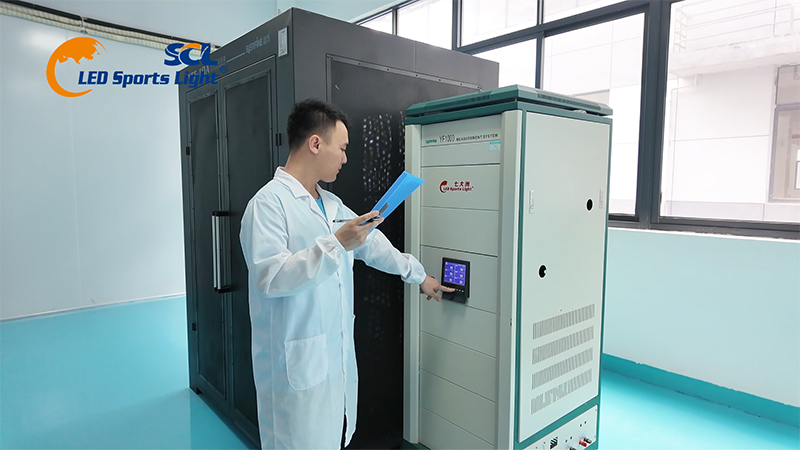
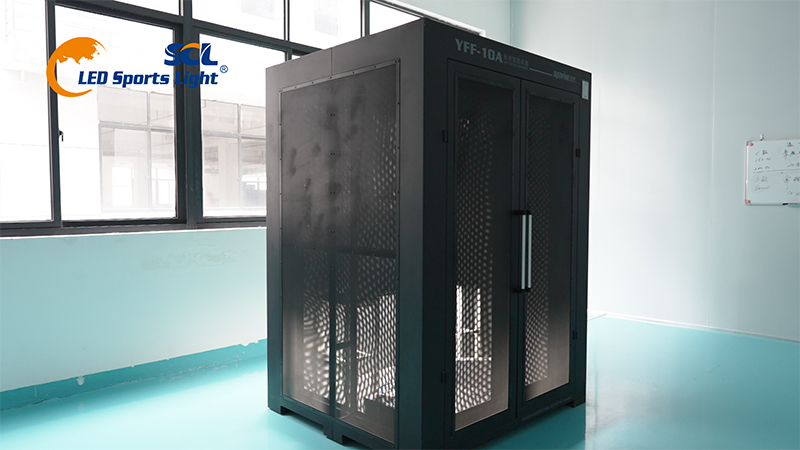
To evaluate cooling performance under real operating conditions, thermal testing laboratories simulate high-temperature stadium environments.
During testing:
- Ambient temperature is maintained at approximately 35°C.
- Controlled airflow reproduces natural ventilation.
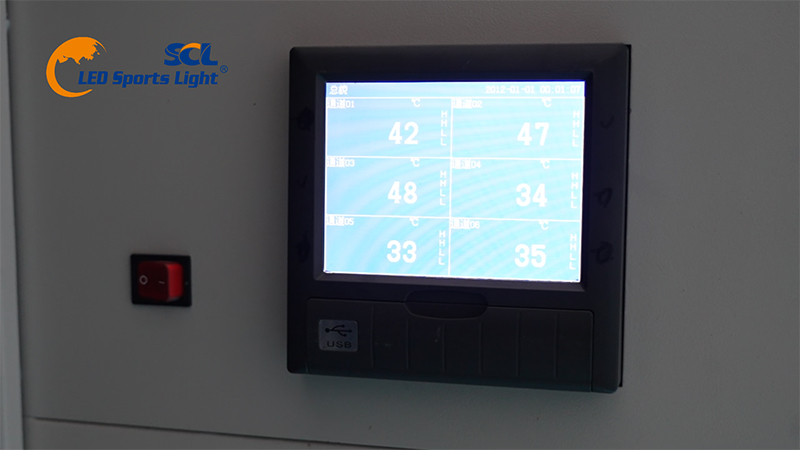
- Thermocouples are attached to the heat sink, LED board, driver housing, and other critical locations.
- Multi-channel monitoring equipment continuously records temperature changes throughout the test.
Engineers evaluate not only the maximum temperature but also temperature distribution and long-term thermal stability.
Only fixtures that maintain safe operating temperatures under continuous operation successfully pass thermal testing.
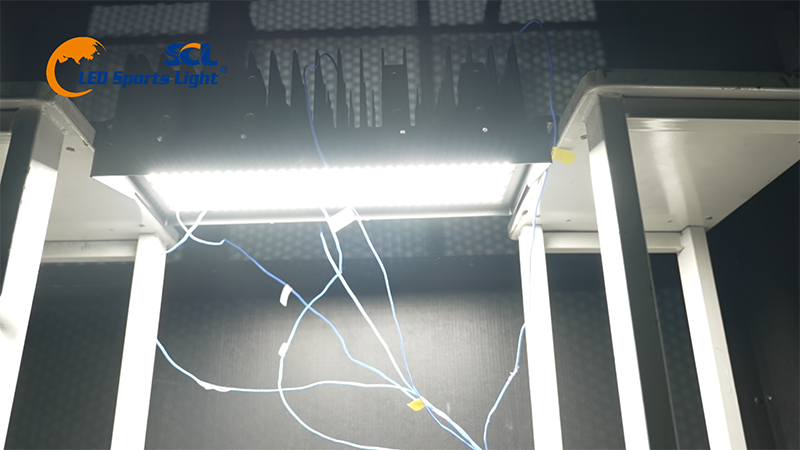
Thermal Management Is a Complete Engineering System
Excellent heat dissipation is never achieved by a heat sink alone. It results from a complete engineering process that integrates material science, thermal design, airflow optimization, and precision manufacturing.
At SCL Sports Lighting, engineers optimize every aspect of thermal performance, including:
- Thermal conductivity of materials
- Heat sink geometry
- Airflow paths
- Thermal interface efficiency
- Driver cooling
- Overall thermal balance
After thermal testing, every product continues through additional verification, including waterproof, dustproof, salt spray, optical, and aging tests.
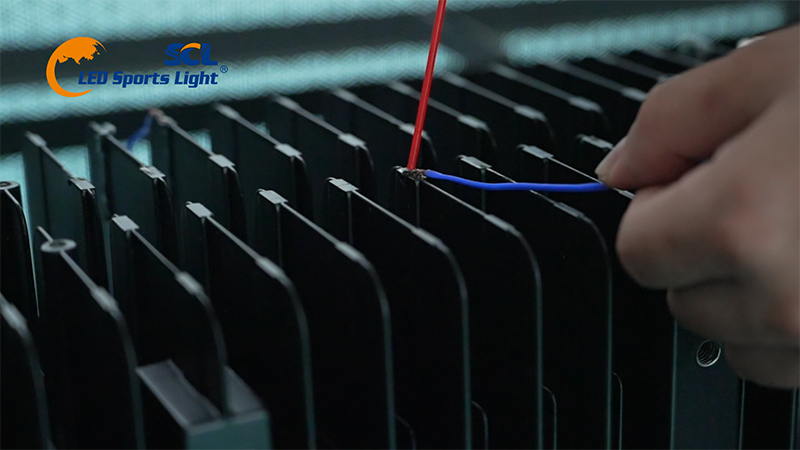
Reliable LED sports lighting is defined not only by high brightness, but also by its ability to maintain stable performance throughout years of demanding operation.
Frequently Asked Questions
Q1:Why is heat dissipation important for LED sports lighting?
Efficient heat dissipation lowers LED junction temperature, slows lumen depreciation, extends driver life, and improves the long-term reliability of the entire lighting system.
Q2:What is LED junction temperature?
Junction temperature is the operating temperature inside the LED semiconductor chip. Keeping it within a safe range is essential for maintaining brightness, efficiency, and service life.
Q3:Does a larger heat sink always mean better cooling?
Not necessarily. Cooling performance depends on material quality, fin design, airflow, thermal interfaces, and overall engineering—not just the size of the heat sink.

 Service Hotline:
 Email:
 Add:
Add: