
 English
 Spanish
 Russian
 Arabic
 Italian


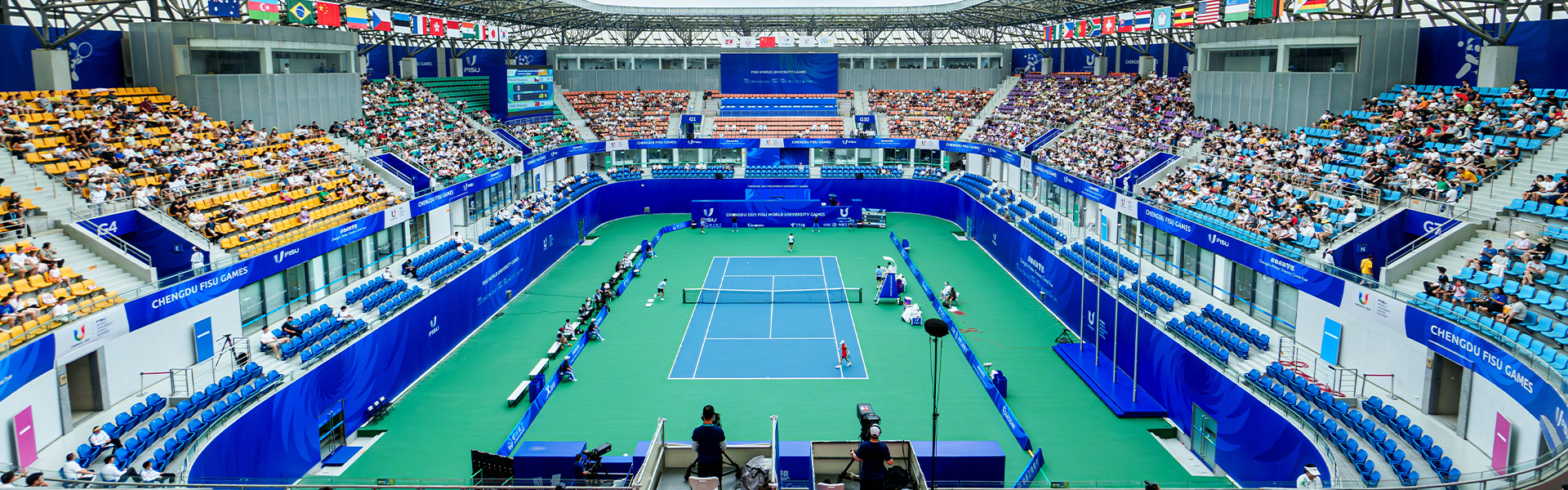
2026 FIFA World Cup Stadium Lighting: Standards, Technology and the Future of Sports Lighting
Why Stadium Lighting Matters More Than Most Fans Realize
For millions of viewers around the world, watching the FIFA World Cup is a visual experience. Every pass, tackle, and goal must appear sharp, natural, and consistent whether viewed from the stands or through a 4K television broadcast.
Achieving this level of visual quality depends heavily on professional stadium lighting. In fact, lighting systems are among the most critical infrastructure components in any modern sports venue.
For the 2026 FIFA World Cup, hosted jointly by the United States, Canada, and Mexico, every stadium lighting system must pass an extensive series of technical evaluations before being approved for international competition.

FIFA Stadium Lighting Standards: The Global Benchmark
FIFA maintains some of the most demanding lighting requirements in professional sports. While detailed certification procedures are managed through specialized programs, several key performance indicators define World Cup-level lighting.
Color Temperature
- 5000K–6200K
- Closely replicates natural daylight
- Ensures accurate color reproduction for television broadcasts
Color Rendering Index (CRI)
- CRI ≥ 90
- Provides realistic representation of players, uniforms, and field markings
- Significantly higher than conventional outdoor lighting systems
Flicker Performance
- Flicker levels must remain extremely low
- Supports high-speed cameras and ultra-slow-motion replay
- Prevents visual artifacts during broadcast production
Wind Resistance
- Designed to withstand severe weather conditions
- Supports stable operation in high-wind environments
Lighting Uniformity
- Vertical illuminance uniformity for main camera positions must meet strict standards
- Ensures consistent visibility across the entire playing surface
Beyond lighting performance, fixtures must also pass rigorous electrical safety, corrosion resistance, waterproofing, temperature cycling, and durability tests.
Only a limited number of manufacturers worldwide can consistently meet these requirements.

Three Secrets Behind Broadcast-Quality Stadium Lighting
Many people assume stadium lighting is simply about brightness. In reality, professional sports lighting is a highly engineered system designed for athletes, spectators, and broadcasters simultaneously.
1. High Color Accuracy
Why does the grass appear naturally green and team jerseys look vibrant on television?
The answer lies in a high Color Rendering Index (CRI). Lighting with CRI values above 90 closely mimics natural sunlight, ensuring accurate skin tones, uniform colors, and field details.
This level of color fidelity is essential for modern UHD and HDR broadcasts.
2. Flicker-Free Performance
Today's broadcast cameras capture hundreds or even thousands of frames per second.
Any instability in the lighting system can create visible flicker, banding, or wave-like distortions during slow-motion replay.
Professional sports lighting systems are designed to meet stringent flicker requirements and often comply with IEEE 1789 low-risk recommendations, ensuring flawless image quality for television production.
3. Advanced Glare Control
Glare can directly impact athletic performance.
When players track high balls or goalkeepers react to aerial shots, excessive glare can reduce visibility and increase discomfort.
Professional stadium lighting designs incorporate:
- Precision optical lenses
- Anti-glare shielding
- Spill-light control systems
These technologies help illuminate the field while minimizing visual disturbance for athletes and spectators.
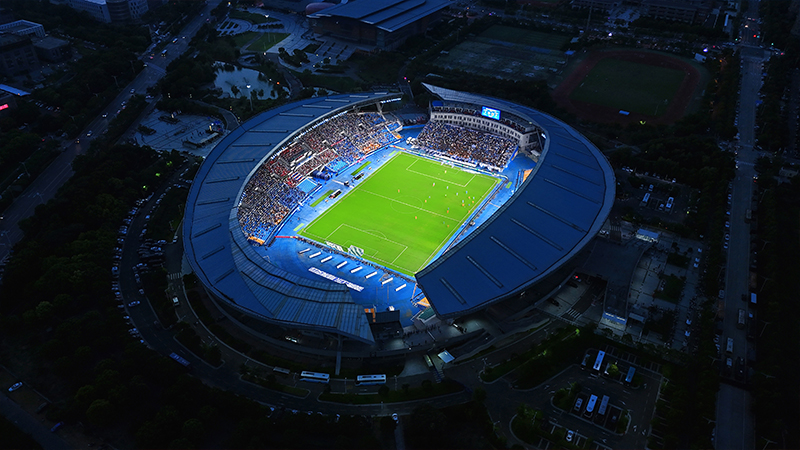
How LED Technology Is Transforming Sports Lighting
The era of metal halide sports lighting is rapidly coming to an end.
Modern LED stadium lighting offers significant advantages:
Energy Savings
Replacing a traditional 1000W metal halide fixture with a high-efficiency LED solution can dramatically reduce energy consumption while maintaining or improving illumination levels.
Large-scale stadium projects can achieve substantial annual operating cost reductions and relatively short return-on-investment periods.
Longer Lifespan
High-quality LED sports luminaires can exceed:
- 50,000 operating hours
- Reduced maintenance requirements
- Lower lifecycle costs
Better Performance
LED technology delivers:
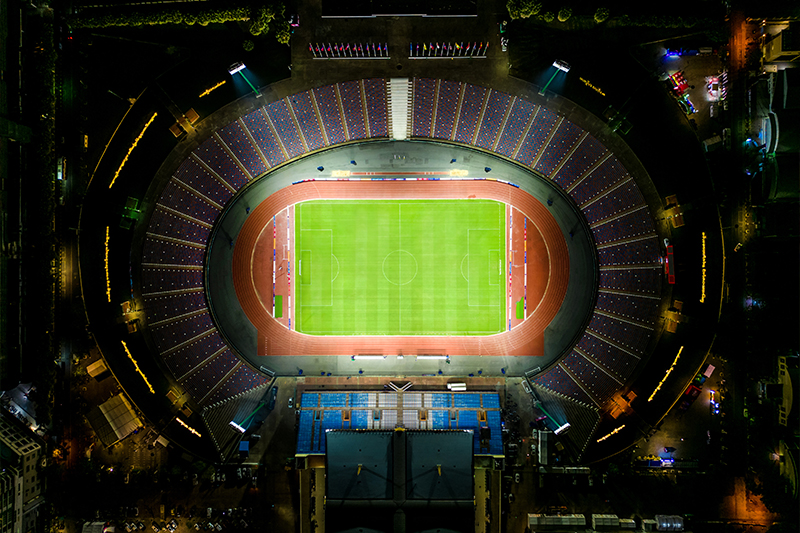
The Rise of Smart Stadium Lighting Systems
Modern World Cup venues are no longer limited to simple on-and-off lighting controls.
Today's intelligent lighting systems can instantly switch between multiple operating modes, including:
- Training Mode
- Competition Mode
- Television Broadcast Mode
- Entertainment and Light Show Mode
- Maintenance and Cleaning Mode
Advanced systems can also integrate with:
- Scoreboards
- Event management systems
- Digital displays
- Match timing systems
For example, dynamic lighting effects can be triggered automatically after a goal is scored, creating an immersive fan experience while maintaining compliance with competition requirements.
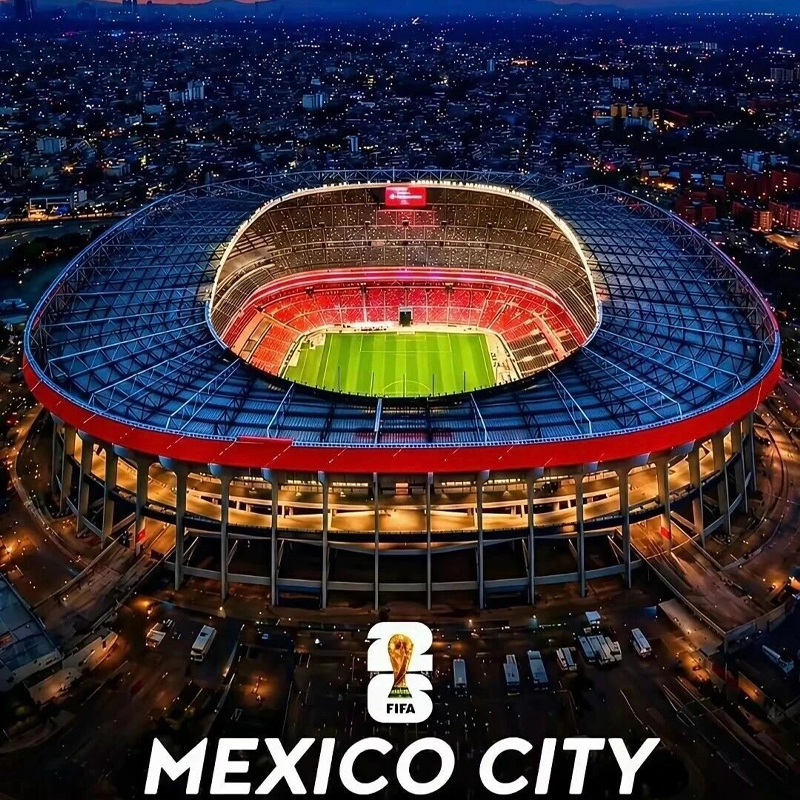
Beyond the World Cup: The Growing Demand for Professional Sports Lighting
While World Cup stadiums represent the highest level of sports lighting, the broader market is expanding rapidly.
Schools, universities, community sports facilities, training centers, and professional venues increasingly recognize the importance of:
- Flicker-free illumination
- High color rendering
- Glare control
- Energy efficiency
- Smart management systems
As lighting standards continue to evolve, sports lighting is shifting from a simple facility component to a comprehensive performance-driven solution.
The success of any project depends not only on fixture specifications but also on a deep understanding of athletic vision, broadcasting requirements, and long-term operational efficiency.

Understanding Sports Lighting Through Experience
For nearly 18 years, SCL(Seven Continents Lighting)has focused on professional sports lighting solutions for international sporting events and large-scale venues.
Our team has participated in projects ranging from major international competitions to community sports facilities, contributing to the development of industry standards and advanced lighting technologies.
Behind every successful sports venue lies extensive engineering expertise—from electrical safety testing and environmental durability verification to flicker optimization for ultra-high-speed broadcasting.
The future of sports lighting extends far beyond illumination. It is about enhancing athlete performance, improving broadcast quality, reducing energy consumption, and creating unforgettable experiences for fans around the world.
As every FIFA World Cup continues to raise expectations for the game, stadium lighting remains the invisible MVP that makes those moments possible.

 Service Hotline:
 Email:
 Add:
Add: