
 English
 Spanish
 Russian
 Arabic
 Italian


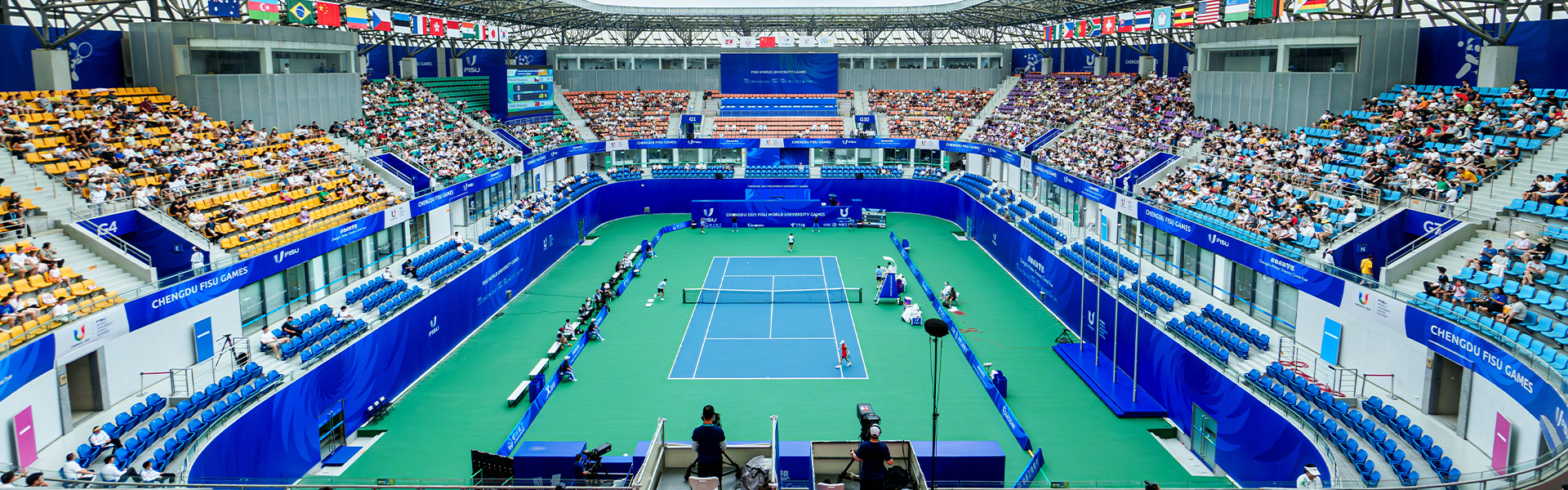
Is higher luminous efficacy always better for sports lighting? This common misconception may be affecting the sports experience.
In modern sports, the design and application of lighting systems are not only essential for enabling competitions at night and indoors, but also crucial for enhancing the quality of the sport. The luminous efficacy of sports lighting, as a core indicator in lighting design, plays a vital role, directly impacting the visibility of the competition venue and the spectator experience. It's important to note that higher luminous efficacy is not always better; appropriate luminous efficacy is necessary to ensure the comfort of both athletes and spectators.
The relationship between luminous efficacy and lighting quality
Luminous efficacy, simply put, refers to the amount of visible light a lighting device can produce after consuming a certain amount of electricity. While luminous efficacy is an important indicator of lighting device performance, lighting quality is a more complex concept. Lighting quality includes not only illuminance but also aspects such as light uniformity, color temperature, and glare control. Excessively pursuing increased brightness may lead to a decline in lighting quality.
Appropriate sports lighting can not only meet the needs of the competition and the audience, but also enhance the overall visual experience.
Potential problems with excessively high luminous efficacy
While excessively high luminous efficacy may theoretically provide brighter illumination, it can cause a series of problems in practical applications. For example, it can lead to visual fatigue; athletes competing under intense light for extended periods are prone to losing focus, thus affecting their performance. Furthermore, glare is a significant issue; excessively bright light can cause visual disturbances for spectators and athletes, and may even pose safety hazards. Therefore, when designing sports lighting, it is essential to consider the appropriate control of luminous efficacy to ensure a comfortable experience for athletes and spectators.
Standards and applications of reasonable light efficacy
Sports organizations have developed a series of lighting standards for different types of sports venues, and the requirements for lighting effects vary for different sports scenarios.
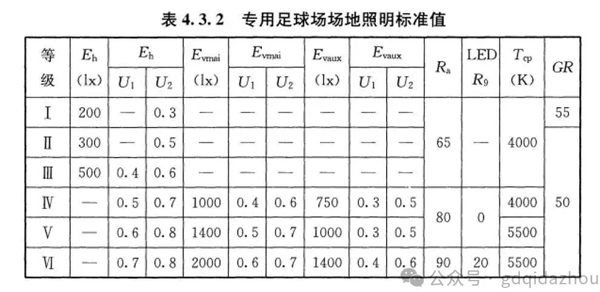
For example, the lighting design of football stadiums needs to comply with the standards of FIFA, the International Commission on Illumination (CIE), and relevant national standards. These standards are mainly formulated around key technical parameters such as illuminance level, illuminance uniformity, glare control, color rendering index, and color temperature. Illuminance requirements vary depending on the level of the event, from amateur matches to large-scale international competitions.
Advantages of LED technology in sports lighting
In recent years, LED technology has been widely used in sports lighting due to its unique advantages. Firstly, LED lighting is highly energy-efficient, providing ample light while reducing energy consumption and operating costs. Secondly, LED luminaires have a lifespan far exceeding that of traditional lighting equipment, effectively reducing maintenance frequency and replacement costs. Furthermore, the adjustable color temperature of LEDs allows lighting designers to flexibly adjust the color temperature according to different sporting needs, further enhancing lighting quality.
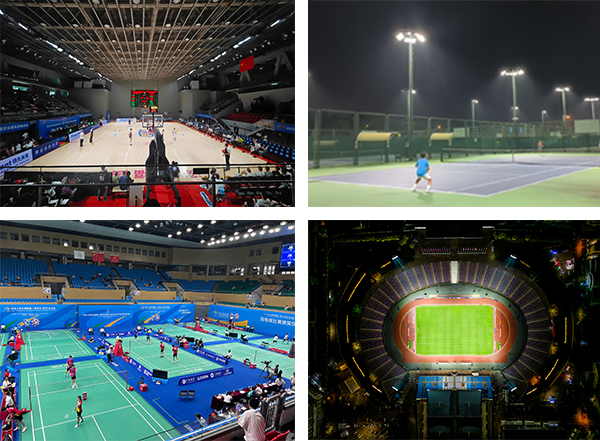 Through scientific design of lighting effects, Seven Continents LED sports lighting not only enhances the overall quality of professional sporting events but also strives to provide a more comfortable lighting experience for various sports scenarios, including mass sports events, fitness activities, and school sports. Meanwhile, with the continuous advancement of new technologies, sports lighting is developing towards greater intelligence, personalization, and low-carbon features.
The relationship between luminous efficacy and lighting quality
Luminous efficacy, simply put, refers to the amount of visible light a lighting device can produce after consuming a certain amount of electricity. While luminous efficacy is an important indicator of lighting device performance, lighting quality is a more complex concept. Lighting quality includes not only illuminance but also aspects such as light uniformity, color temperature, and glare control. Excessively pursuing increased brightness may lead to a decline in lighting quality.
Appropriate sports lighting can not only meet the needs of the competition and the audience, but also enhance the overall visual experience.
Potential problems with excessively high luminous efficacy
While excessively high luminous efficacy may theoretically provide brighter illumination, it can cause a series of problems in practical applications. For example, it can lead to visual fatigue; athletes competing under intense light for extended periods are prone to losing focus, thus affecting their performance. Furthermore, glare is a significant issue; excessively bright light can cause visual disturbances for spectators and athletes, and may even pose safety hazards. Therefore, when designing sports lighting, it is essential to consider the appropriate control of luminous efficacy to ensure a comfortable experience for athletes and spectators.
Standards and applications of reasonable light efficacy
Sports organizations have developed a series of lighting standards for different types of sports venues, and the requirements for lighting effects vary for different sports scenarios.
For example, the lighting design of football stadiums needs to comply with the standards of FIFA, the International Commission on Illumination (CIE), and relevant national standards. These standards are mainly formulated around key technical parameters such as illuminance level, illuminance uniformity, glare control, color rendering index, and color temperature. Illuminance requirements vary depending on the level of the event, from amateur matches to large-scale international competitions.
Standard values for lighting for dedicated football fields in the "Standard for Lighting Design and Testing of Sports Venues" (JGJ153-2016)
In practical applications, lighting designers need to make reasonable adjustments based on the nature of the sport, the characteristics of the venue, and the spectator's perspective to achieve the best lighting effects. This not only helps to enhance the viewing experience of the event but also, to a certain extent, ensures the safety and health of the athletes.Advantages of LED technology in sports lighting
In recent years, LED technology has been widely used in sports lighting due to its unique advantages. Firstly, LED lighting is highly energy-efficient, providing ample light while reducing energy consumption and operating costs. Secondly, LED luminaires have a lifespan far exceeding that of traditional lighting equipment, effectively reducing maintenance frequency and replacement costs. Furthermore, the adjustable color temperature of LEDs allows lighting designers to flexibly adjust the color temperature according to different sporting needs, further enhancing lighting quality.

 Service Hotline:
 Email:
 Add:
Add: